Tree surgery in Highgate
If you are looking for tree surgery in Highgate, you are probably dealing with a tree that has become too large, too close to a building, difficult to manage, or simply in need of expert care. In a place like Highgate, where mature gardens, period homes, conservation-style streets, and established landscapes are part of the area’s character, tree work needs more than a quick cut. It needs judgement, care, and a proper understanding of how to keep trees healthy while protecting the property around them.
Professional tree surgery is not just about removing branches. It can involve careful pruning, crown reduction, deadwood removal, stump grinding, tree dismantling, and ongoing maintenance that helps trees remain safe and attractive. For local customers in Highgate, that often means working around narrow driveways, shared access, sloping plots, basement gardens, boundary lines, and mature planting that has been in place for years. The right team can make the process straightforward, tidy, and reassuring from the first enquiry through to the final clear-up.
Whether you are a homeowner, a landlord, a managing agent, or responsible for a commercial property, it helps to work with a local tree surgery team that understands the practical realities of the area. Highgate properties often require careful planning, controlled access, and a sensitive approach to tree work, especially where trees sit close to homes, paved areas, outbuildings, or neighbouring gardens. This page explains what tree surgery involves, what to expect, and how to decide which service is right for your site.
Why tree surgery matters in Highgate
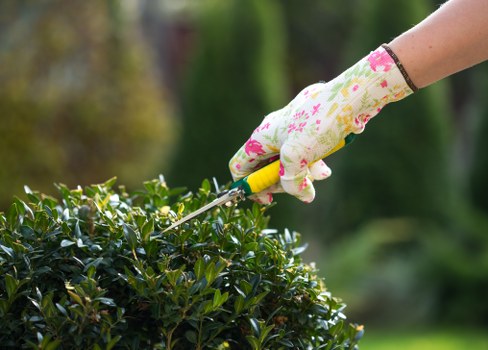
Highgate is known for its leafy streets, mature trees, and attractive residential architecture, which is part of what makes the area so distinctive. But with established trees comes regular upkeep. Trees that are left unmanaged can start to create problems such as overhanging branches, blocked light, broken limbs, root pressure near surfaces, or crowding against roofs and fences. A sensible tree surgery plan keeps the landscape looking good while reducing avoidable risks.
For many local residents, the issue is not whether a tree is valuable; it is how to maintain it properly. A strong, healthy tree can add privacy, character, shade, and biodiversity to a garden or frontage. Yet when growth becomes excessive, or when a tree shows signs of decline, the work needs to be done carefully and at the right time. Tree surgeons use practical knowledge and specialist equipment to carry out the work with minimal disruption, which is especially important in built-up parts of Highgate where access can be tight.
There is also a safety aspect. Deadwood, unstable stems, storm-damaged limbs, and poor previous pruning can all create hazards for people, vehicles, roofs, and neighbouring properties. In exposed conditions, or after high winds, a prompt inspection can help identify whether remedial work, crown thinning, reduction, or removal is the most appropriate option. For anyone arranging tree surgery in Highgate, the goal is usually a balance of safety, appearance, and long-term tree health.
Our tree surgery services
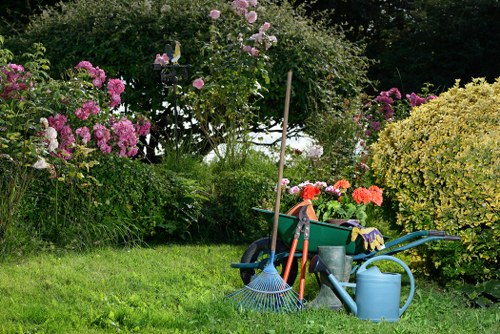
A good local tree surgeon should be able to advise on the full range of common services, not just felling. Different trees and different sites need different solutions, and the most suitable option is often the least invasive one that still solves the issue properly. Below are the main services customers in Highgate tend to request.
Tree pruning and crown work
Pruning is one of the most common forms of tree surgery. It may be needed to remove dead, diseased, broken, or crossing branches, or to improve shape and structure. Crown work can also help reduce weight in a canopy, improve light levels, and reduce the amount of wind resistance a tree presents during storms. When done well, pruning supports the tree rather than stressing it.
There are several kinds of crown work, including crown thinning, crown reduction, and crown lifting. Each serves a different purpose. A crown reduction is often chosen where a tree has grown too close to a property, while crown lifting can improve access or light beneath lower branches. In Highgate, this is particularly relevant for gardens where neighbouring trees or close-set buildings limit natural light.
Deadwood removal
Deadwood removal is the careful taking out of dead branches that can fall unexpectedly. This is often a sensible maintenance task for mature trees, especially those in front gardens, shared communal spaces, or locations where people regularly pass underneath. It can be a straightforward way to improve safety without changing the overall appearance of the tree too much.
Tree felling and dismantling
Sometimes removal is the only practical solution. A tree may be badly diseased, structurally unsafe, severely compromised by root problems, or simply unsuitable for its location. In tighter Highgate streets and gardens, trees are often dismantled in sections rather than felled in one piece. This controlled method is used when there is limited space, nearby structures, or access restrictions that rule out larger machinery.
Sectional dismantling for difficult sites
Sectional dismantling is particularly useful where a tree sits close to a building, boundary fence, conservatory, or paved area. The work is carried out piece by piece, often using ropes and lowering systems to keep the site safe and controlled. This is one of the reasons local experience matters so much: the team needs to understand how to work efficiently in small, awkward, or sensitive spaces.
Stump grinding
Once a tree has been removed, the stump may remain a trip hazard, an obstacle to planting, or a source of unwanted regrowth. Stump grinding removes the visible stump below ground level so the area can be reused more easily. This is often requested after felling, especially where homeowners want to replant, lay turf, or complete landscaping work.
Ongoing tree care and maintenance
Many customers do not need a one-off removal; they need a maintenance plan that keeps trees manageable year after year. That might include periodic inspections, crown shaping, selective pruning, or advice on how to manage trees as they mature. For residential and commercial customers alike, steady care often costs less and causes less disruption than waiting until a tree becomes a problem.
Common reasons customers call for tree surgery in Highgate
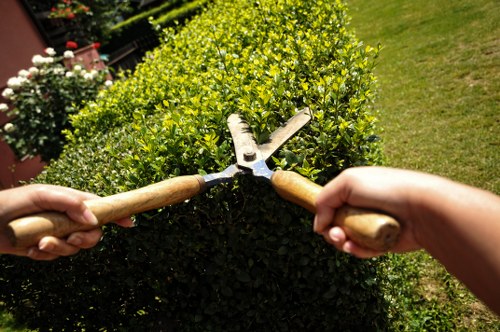
People usually reach out when something has changed: a tree has grown too close to the house, branches are scraping a roof, leaves are blocking drains, or a trunk is showing signs of decay. But there are also proactive reasons to arrange work. Well-timed pruning can preserve the shape of a tree, improve garden use, and make a property feel brighter and more open.
In Highgate, the most common requests often include managing mature trees in front gardens, reducing heavy canopies near period properties, dealing with overhanging branches across boundaries, and removing trees that have outgrown small or enclosed plots. With older houses and varied levels, it is also common for roots to affect paving, walls, steps, or garden structures over time. A trained team can assess whether action is needed and what kind of action is most suitable.
Tree surgery may also be needed after bad weather. Wind, snow, and heavy rain can reveal weaknesses that were not obvious before. A branch that has split, a limb that has lifted, or a tree that now leans differently may need a professional inspection. It is always better to address concerns early rather than wait for a minor issue to become an urgent one.
Signs a tree may need attention
- Dead, brittle, or hanging branches
- Cracks in limbs, stems, or union points
- Fungal growth near the base or on major limbs
- Sudden leaning or changes in shape
- Excessive shading over windows or gardens
- Branches touching roofs, gutters, wires, or fences
- Signs of root disturbance or lifted paving
If you spot any of these, arranging an inspection can help determine whether pruning, reduction, bracing, or removal is the best course of action. It is often more cost-effective and less disruptive to act before the condition worsens.
What is included in a professional tree surgery visit?

Customers often want to know what actually happens when a tree surgeon visits. The process should be clear, safe, and focused on the least disruptive solution that meets your needs. While every site is different, a professional visit generally includes assessment, planning, the agreed work itself, and a thorough tidy-up afterwards.
It begins with an evaluation of the tree or trees in question. This may involve looking at the species, size, condition, location, and surrounding features such as fences, paths, sheds, parking spaces, and neighbouring properties. In Highgate, this matters because many gardens and side access routes are compact, and the safest method may depend on how equipment and waste can be moved without causing damage.
Once the work is agreed, the team will plan the safest and most efficient approach. This can include deciding whether climbing access is needed, where branches will be lowered, what machinery is suitable, and how waste will be removed. After the cutting is complete, most customers want the area left neat and usable again. A proper finish should include clearing branches, removing arisings, and leaving the site in tidy condition.
Typical stages of the service
- Initial discussion and understanding of the issue
- Site assessment and identification of the best method
- Work planning with attention to access and safety
- Carrying out pruning, removal, or stump work as agreed
- Clear-up, waste handling, and final site check
For many customers, the biggest benefit is peace of mind. You are not just getting branches cut; you are getting a service that is designed to protect the tree where possible, reduce risk, and keep your property manageable.
What to expect on the day
It is sensible to expect some noise from tools and machinery, plus temporary access restrictions while the work is underway. Trees do not always come down in a single simple operation, particularly in constrained or populated locations. A good team will keep you informed, work carefully around your property, and aim to complete the task efficiently without cutting corners.
Why local knowledge matters for Highgate properties
Choosing a local team for tree surgery in Highgate can make a real difference. The area includes a mix of detached homes, terraced streets, communal gardens, commercial premises, and properties with limited side access. Some locations have steep drives or split-level gardens, while others are close to busy roads or shared boundaries. A local provider is more likely to understand these practical details before arriving on site.
Highgate also has a strong character, and many customers want tree work carried out with sensitivity to the look of the property and the wider streetscape. Trees are often a major part of what gives a garden or frontage its appeal, so the work should support the setting rather than strip it back unnecessarily. That may mean retaining a tree and reshaping it, rather than recommending removal straight away.
Another benefit of local experience is that it can help with timing and logistics. Parking, access, and working space can be challenging in residential areas and on busier roads. A team that works regularly in and around Highgate, as well as nearby areas such as Archway, Crouch End, Hampstead, Kentish Town, Muswell Hill, and Finchley, is likely to be familiar with the practical realities of getting the job done with minimal disruption.
Useful for residential and commercial customers
Tree work is not only for private gardens. Local businesses, schools, letting agents, property managers, and communal property owners may also need regular tree surgery. For commercial sites, the priorities are often safe access, neat presentation, and reducing disruption to staff, visitors, or residents. Trees around car parks, access routes, boundaries, and shared open spaces may require scheduled maintenance to keep them under control.
For homeowners, the concerns are often different: preserving light, protecting roofs and paving, keeping pets and children safe, and improving the appearance of the garden. In either case, clear communication and a practical approach are essential. The right team should be able to explain what is needed, what can wait, and what the likely outcome will be.
How to prepare for tree surgery
Preparing ahead of the visit helps the work go more smoothly and can reduce delays on the day. Most customers do not need to do anything complicated, but a few simple steps can make a real difference, especially where access is tight or where there are parked cars, garden furniture, or delicate planting nearby.
Before the team arrives, it helps to make sure they can reach the work area easily. If you have gates, side access, or shared entries, think about how those spaces will be used. In some Highgate properties, access is narrow or stepped, so it is useful to clear the route as much as possible. If your tree sits close to a neighbour’s boundary, it may also be helpful to let them know in advance if there is likely to be noise or temporary obstruction.
It is also wise to move anything you would not want exposed to falling debris, including outdoor seating, fragile containers, parked vehicles, and equipment stored near the tree. This does not mean the work is unsafe; it simply makes the site easier to manage. Good preparation supports a smoother job and helps the team work more efficiently.
Simple preparation checklist
- Clear the area of cars, furniture, and loose items where possible
- Provide access to gates or side passages if needed
- Alert neighbours if branches may temporarily cross a boundary
- Keep pets and children away from the work zone
- Identify any fragile structures, cables, or planting close to the tree
- Discuss any concerns about root spread, light levels, or future growth
If you are unsure how much needs to be prepared, ask for advice when arranging the visit. A local professional will usually be happy to explain what matters most for your particular site.
Aftercare and next steps
Depending on the work carried out, you may want advice on aftercare. For example, a recently reduced tree may benefit from future inspections, while a site where a stump has been ground out may be ready for replanting or landscaping. Good tree surgery should leave you with a clearer understanding of what to expect as the tree responds over time.
What affects the cost of tree surgery?
It is natural to want an idea of cost before booking, but pricing for tree work depends on several practical factors rather than one simple rate. The size and number of trees, the type of work required, and the difficulty of the site all play a part. Because no two Highgate properties are exactly the same, an assessment is usually the best way to understand the likely scope of the job.
Factors that may influence the quote include the height and spread of the tree, whether specialist access is required, how much waste will need to be removed, and whether stump grinding is included. Trees located close to buildings, roads, or neighbouring gardens may also take longer to work on because extra control and care are needed. If a tree is in poor condition or has unstable branches, the method may need to be adjusted to improve safety.
The time of year can matter too, especially where birds, sap flow, or dense seasonal growth affect the timing of work. A professional team should be able to advise on the most suitable approach and explain any factors that affect scheduling. Rather than focusing only on the lowest figure, it is better to choose a service that reflects the real complexity of the site.
Questions that help shape a quote
- What is the size and species of the tree?
- Is the work pruning, reduction, removal, or stump grinding?
- How easy is access to the garden or site?
- Are there buildings, fences, or utilities nearby?
- How much waste needs to be taken away?
- Is this a one-off visit or part of an ongoing maintenance plan?
If you are ready to move forward, request a free quote and discuss the work with a local specialist who can assess your site properly.
Reasons customers choose a local tree surgeon
There are plenty of reasons people prefer a local company rather than a distant contractor. When it comes to tree surgery, local knowledge and responsiveness matter. Trees are large, weather-sensitive, and often part of the long-term condition of a property, so you want someone who understands both the task and the setting.
For Highgate customers, a local team can usually offer more practical advice about access, timing, and the most sensible method for the job. They are also more likely to understand the style of homes and gardens in the area, from compact courtyards to larger mature plots. That can lead to better decisions about whether to prune, reduce, thin, or remove a tree.
Another reason is accountability. A local company is easier to coordinate with if your needs change, if additional work becomes necessary, or if you want to discuss follow-up maintenance later on. A straightforward relationship makes it easier to keep your trees in good condition over the long term.
What good tree surgeons should offer
- Clear explanations of the recommended work
- Experience with both small gardens and larger, complex sites
- Careful handling of trees near buildings and boundaries
- Respect for neighbours, access routes, and the wider property
- Thorough tidy-up after the work is complete
- Helpful advice on future care and maintenance
For many people, that combination of competence, practicality, and local understanding is exactly what makes the difference.
Areas covered around Highgate
Tree surgery services are often needed not only in Highgate itself but also in the surrounding neighbourhoods where similar housing types and garden layouts create similar needs. Nearby areas may include Archway, Crouch End, Hampstead, Kentish Town, Muswell Hill, Finchley, Dartmouth Park, and other parts of North London where mature trees and close property layouts are common.
Customers in these areas often face the same challenges: narrow access, boundary overhang, limited parking, and a mix of older trees and modern garden use. Because of that, local tree care is not just about removal. It is about making the space safer, brighter, and more manageable without losing the character that trees provide.
Whether the work is for a private home, a shared residential block, a shop frontage, a school site, or a managed commercial property, the same principle applies: the right tree surgery should be proportionate to the problem and respectful of the place.
Suitable for a range of property types
- Townhouses and period terraces
- Detached and semi-detached homes
- Basement and split-level gardens
- Communal residential grounds
- Commercial forecourts and access routes
- Lettings and managed property portfolios
FAQs about tree surgery in Highgate
Q: How do I know whether my tree needs pruning or removal?
In many cases, pruning or crown reduction is enough to solve a problem. Removal is usually considered when a tree is badly diseased, unsafe, structurally failing, or in a position where it can no longer be managed properly. A site visit is the best way to decide.
Q: Can tree surgery help with lack of light in my garden?
Yes. Crown lifting, crown thinning, or reduction can often improve light levels without removing the tree entirely. The best option depends on the species, size, and the effect you want to achieve.
Q: What if my tree is close to my neighbour’s property?
Tree work near boundaries needs care and good communication. A professional team can help carry out the work safely while respecting neighbouring structures and access. It is always worth discussing the layout before the visit.
Q: Do I need to be home during the work?
That depends on the site and the arrangements made beforehand. Many customers prefer to be present at the start, but if access and instructions are clear, some jobs can proceed without the homeowner being there for the full duration.
Q: Will the site be left tidy afterwards?
A proper tree surgery service should include clear-up and waste removal as part of the job, leaving the area tidy and ready to use again. If you have a particular preference for logs, woodchips, or disposal, discuss it in advance.
Q: Is stump grinding always necessary?
Not always, but it is often useful if you want to replant, landscape, or remove the trip hazard. If the stump is left in place, it may eventually decay naturally, but this can take time and may allow regrowth in some cases.
Q: How often should trees in Highgate be inspected?
That depends on the tree species, age, location, and condition. Mature trees near buildings or heavily used areas benefit from periodic checks, especially after storms or noticeable growth changes.
Book your tree surgery service
If you need tree surgery in Highgate, the best next step is to arrange a proper assessment and talk through what you want the tree or trees to achieve. Whether you are looking to improve light, reduce risk, tidy a mature canopy, or remove a tree that has become unsuitable, a local specialist can help you choose the right solution.
Contact us today to request a free quote, discuss your property, and book a visit that fits your schedule. From routine maintenance to more complex tree work, the aim is always to deliver a safe, tidy, and practical result that suits your home or business.
Book your service now if you are ready to take the next step. A well-planned tree surgery visit can restore order to the space, improve safety, and help your trees continue to add value to your property for years to come.
Choose a local team that understands Highgate, from access and parking challenges to the character of the area’s gardens and buildings. With the right approach, tree work does not need to be disruptive or stressful. It can be a straightforward part of looking after your property properly.